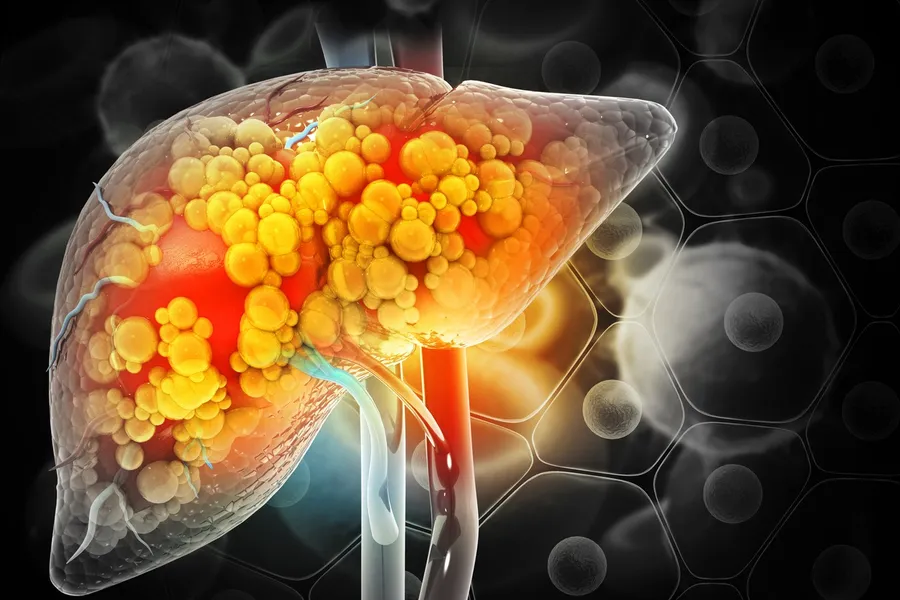
Fatty liver disease is now one of the most common causes of liver disease in the UK. For many people, it develops quietly, without any obvious symptoms. As a result, liver damage may progress for years before it is recognised.
This is why early detection is so important. When fatty liver disease is identified at an early stage, there is often an opportunity to prevent progression and, in some cases, reverse liver damage and scarring altogether.
What is fatty liver disease?
Fatty liver disease occurs when excess fat accumulates within liver cells. It is most commonly linked to metabolic health, but also increased alcohol consumption. Many people with fatty liver disease have one or more of the following:
- Type 2 diabetes
- Overweight or obesity
- High cholesterol
- High blood pressure
Alcohol can also cause or worsen fatty liver disease, but it is increasingly diagnosed in people who drink little or no alcohol.
Why does early detection matter?
In its early stages, fatty liver disease may cause no symptoms and little immediate harm. However, in a proportion of people it can progress to:
- Liver inflammation
- Liver scarring (fibrosis)
- Cirrhosis and, in advanced cases, liver cancer
One of the challenges is that liver blood tests can remain normal even when scarring is already present. Relying solely on symptoms or blood tests can therefore give false reassurance.
Who should consider screening?
Screening is particularly important for people who:
- Have diabetes or metabolic syndrome
- Are overweight or obese
- Have persistently abnormal liver blood tests
- Have fatty liver identified incidentally on an ultrasound scan
Identifying higher-risk individuals allows early diagnosis, closer monitoring and timely intervention.
How is fatty liver disease assessed?
Assessment has moved away from invasive tests. Modern evaluation often includes:
- Blood-based risk scores
- Non-invasive scans, such as FibroScan to assess liver stiffness and fat
- Targeted blood tests and imaging, where appropriate
These tests help determine whether simple fatty liver is present or whether scarring or damage has developed.
Key message
Fatty liver disease is common, often silent, and potentially serious. Early detection allows intervention at a stage when long-term liver damage can still be prevented, and inflammation or scarring reversed.