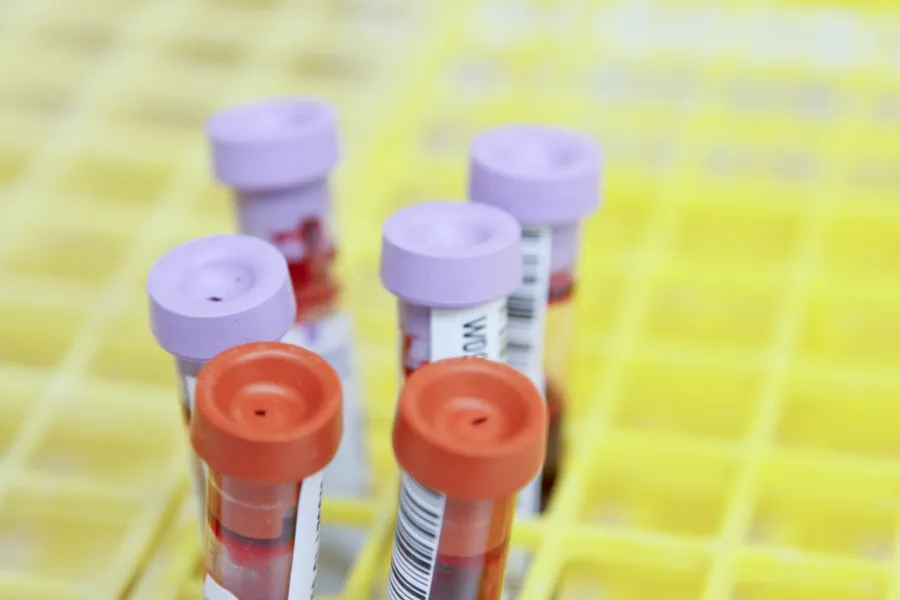
Abnormal liver blood tests are a common reason for concern and anxiety. Many people are told that their “liver tests are abnormal” without a clear explanation of what that actually means, or how serious it may be. This uncertainty often causes unnecessary worry.
It is important to understand that liver blood tests alone do not measure liver function, and abnormal results do not always mean that there is serious or permanent liver disease. Equally important, normal liver blood tests do not always rule out an underlying liver problem. These tests are best seen as an early signal that may, or may not, require further assessment.
The main liver blood tests explained
ALT (Alanine aminotransferase)
ALT is a substance found mainly inside liver cells. When the liver is irritated or inflamed, small amounts of ALT leak into the bloodstream, causing the level to rise. Raised ALT is commonly seen in conditions such as fatty liver disease, excess alcohol intake, viral hepatitis, autoimmune liver disease, and sometimes as a reaction to medications or supplements. Mild elevations are common and often reversible.
AST (Aspartate aminotransferase)
AST is similar to ALT but is found not only in the liver, but also in muscles and the heart. For this reason, AST on its own is less specific to the liver. When AST is higher than ALT, particularly in someone who drinks alcohol regularly, alcohol-related liver injury becomes more likely, though other causes are still possible.
ALP (Alkaline phosphatase)
ALP is linked to how bile flows through the liver and bile ducts. Levels can rise when bile flow is reduced or blocked. This may happen with gallstones, bile duct problems, or certain autoimmune liver conditions. ALP can also come from bone, so an isolated rise does not always mean there is a liver problem. Interpretation often requires additional tests.
Bilirubin
Bilirubin is a substance formed when red blood cells are broken down. The liver processes bilirubin and helps remove it from the body. If bilirubin levels rise, jaundice may develop, causing yellowing of the skin or eyes. Raised bilirubin can be due to liver disease, blockage of the bile ducts, or benign inherited conditions such as Gilbert’s syndrome, which does not cause liver damage. Abnormal bilirubin is not only due to liver disease.
Albumin and clotting tests (INR)
These tests reflect the liver’s ability to deliver its role well. When albumin levels are low or clotting tests are abnormal, this may suggest more advanced or long-standing liver disease rather than mild or early inflammation.
Common misconceptions
- Normal liver blood tests do not exclude liver disease
- Mild abnormalities can still be important if they persist over time
- Liver blood tests alone cannot assess liver scarring (fibrosis)
When should abnormal results be investigated further?
Further assessment is usually recommended when:
- Abnormal results persist over time
- Liver blood tests are significantly abnormal or several tests are raised
- There are risk factors such as diabetes, obesity, excess alcohol intake, or viral hepatitis
- Symptoms are present, or scans show changes in the liver
Modern liver assessment often includes non-invasive tests to look for liver scarring, such as FibroScan, alongside targeted blood tests and imaging such as ultrasound, CT, or MRI scan. These tests help determine whether liver damage is present and how advanced it may be.
Key message
Liver blood tests are a starting point, not a diagnosis. When interpreted properly and in the right clinical context, they help identify who needs reassurance and who would benefit from further investigation. Careful assessment avoids both false reassurance and unnecessary anxiety.